

Showing posts with label British Blue. Show all posts
Showing posts with label British Blue. Show all posts
Monday, 1 December 2014

Friday, 15 August 2014
Bumble
 |
| Bumble - daughter of Muffin and Poppy (2 months old) |
.......................................................................................................................................
 |
| Bumble - 4 months old |
Mini Muffin
 |
| Mini Muffin - son of Muffin and Poppy at 6 weeks |
 |
| Mini Muffin - son of Muffin and Poppy at 2 years old in May 2016 |
 | |
|
Tuesday, 12 August 2014
What Your Cat Should Not Eat - Part 1
Milk and Dairy Products. Cats love milk right? Wrong, most cats
are lactose-intolerant. Their digestive system cannot process dairy
foods, and the result can be digestive upset with diarrhea.
Tuna. Cats can easily get addicted to tuna (yes, even tuna for cats). A steady diet of tuna prepared for humans can lead to malnutrition because it won't have all the nutrients a cat needs. Too much tuna can also cause mercury poisoning.
Onions, Garlic, Chives, Tomatoes, Mushrooms (in all forms) can cause anemia. An occasional small dose probably won't hurt. But eating a large quantity once or eating smaller amounts frequently can cause onion poisoning. Onions, garlic and chives can also cause gastrointestinal upset.
Alcohol in general as well as foods containing alcohol is not good for your cat. Just two teaspoons of whisky can cause a coma in a 5-pound cat, and one more teaspoon could kill it.
Grapes and Raisins can cause kidney failure in cats. And, a small amount can make a cat ill.
Caffeine in large enough quantities can be fatal for a cat. Symptoms of caffeine poisoning include restlessness, rapid breathing, heart palpitations, muscle tremors, and fits. Therefore do not feed your kitten caffeine rich food such as tea, coffee (any type), cocoa, chocolate, Red Bull, Coke, cold medicines and painkillers etc.
Chocolate (of all kinds) can be lethal for cats. Although most cats won't eat it on their own, they can be encouraged to eat it by owners and others who think they are giving the cat a treat. Eating chocolate can cause abnormal heart rhythm, tremors, seizures, and death.
Candy and Gum, toothpaste, baked goods, and some diet foods are sweetened with xylitol. Xylitol can cause your cat's blood sugar to drop and also lead to liver failure. Initial symptoms include vomiting, lethargy, and loss of coordination. The cat may have seizures soon after ingesting the xylitol, and liver failure can occur within just a few days.
Fat Trimmings and Bones. Both fat and bones can be dangerous for cats. Fat, both cooked and uncooked, can cause intestinal upset, with vomiting and diarrhea. And a cat can choke on a bone. Bones can also splinter and cause an obstruction or lacerations of your cat's digestive system.
Raw Eggs can cause food poisoning from bacteria like salmonella or E. Coli as well as skin and coat problems.
Raw Meat and Fish can contain bacteria that causes food poisoning. Enzyme in raw fish destroys thiamine, which is an essential B vitamin for your cat. A lack of thiamine can cause fatal neurological problems and lead to convulsions and coma.
Dog Food. A steady diet of dog food can cause your cat to be severely malnourished.
Liver. Eating too much liver can cause vitamin A toxicity. This is a serious condition that can affect your cat's bones, problems associated with liver include deformed bones, bone growths on the elbows and spine, and osteoporosis. Vitamin A toxicity can also cause death.
Too Many Treats. Eating too much too often can do the same thing to cats that it does to humans. It can lead to obesity and diabetes.
Yeast Dough can cause severe abdomen pain. When the yeast ferments it also produces alcohol that can lead to alcohol poisoning.
Your Medicine. Just as you would do for your children, put all medicines where your cat can't get to them. Ingesting medicine prescribed for humans is a common cause of poisoning in cats. Never give your cat any over-the-counter medicine unless advised to do so by your vet as some ingredients can be deadly for your cat.
If Your Cat Eats What It Shouldn't
Keeping pantry and cupboard doors closed will help protect your cat from serious food-related illness however, no matter how careful you are, it's possible that your cat will find and swallow what it shouldn't. It's always a good idea to keep the number of your vet or local RSPCA handy. And if you think your cat has consumed something that's toxic, call for emergency help.
Tuna. Cats can easily get addicted to tuna (yes, even tuna for cats). A steady diet of tuna prepared for humans can lead to malnutrition because it won't have all the nutrients a cat needs. Too much tuna can also cause mercury poisoning.
Onions, Garlic, Chives, Tomatoes, Mushrooms (in all forms) can cause anemia. An occasional small dose probably won't hurt. But eating a large quantity once or eating smaller amounts frequently can cause onion poisoning. Onions, garlic and chives can also cause gastrointestinal upset.
Alcohol in general as well as foods containing alcohol is not good for your cat. Just two teaspoons of whisky can cause a coma in a 5-pound cat, and one more teaspoon could kill it.
Grapes and Raisins can cause kidney failure in cats. And, a small amount can make a cat ill.
Caffeine in large enough quantities can be fatal for a cat. Symptoms of caffeine poisoning include restlessness, rapid breathing, heart palpitations, muscle tremors, and fits. Therefore do not feed your kitten caffeine rich food such as tea, coffee (any type), cocoa, chocolate, Red Bull, Coke, cold medicines and painkillers etc.
Chocolate (of all kinds) can be lethal for cats. Although most cats won't eat it on their own, they can be encouraged to eat it by owners and others who think they are giving the cat a treat. Eating chocolate can cause abnormal heart rhythm, tremors, seizures, and death.
Candy and Gum, toothpaste, baked goods, and some diet foods are sweetened with xylitol. Xylitol can cause your cat's blood sugar to drop and also lead to liver failure. Initial symptoms include vomiting, lethargy, and loss of coordination. The cat may have seizures soon after ingesting the xylitol, and liver failure can occur within just a few days.
Fat Trimmings and Bones. Both fat and bones can be dangerous for cats. Fat, both cooked and uncooked, can cause intestinal upset, with vomiting and diarrhea. And a cat can choke on a bone. Bones can also splinter and cause an obstruction or lacerations of your cat's digestive system.
Raw Eggs can cause food poisoning from bacteria like salmonella or E. Coli as well as skin and coat problems.
Raw Meat and Fish can contain bacteria that causes food poisoning. Enzyme in raw fish destroys thiamine, which is an essential B vitamin for your cat. A lack of thiamine can cause fatal neurological problems and lead to convulsions and coma.
Dog Food. A steady diet of dog food can cause your cat to be severely malnourished.
Liver. Eating too much liver can cause vitamin A toxicity. This is a serious condition that can affect your cat's bones, problems associated with liver include deformed bones, bone growths on the elbows and spine, and osteoporosis. Vitamin A toxicity can also cause death.
Too Many Treats. Eating too much too often can do the same thing to cats that it does to humans. It can lead to obesity and diabetes.
Yeast Dough can cause severe abdomen pain. When the yeast ferments it also produces alcohol that can lead to alcohol poisoning.
Your Medicine. Just as you would do for your children, put all medicines where your cat can't get to them. Ingesting medicine prescribed for humans is a common cause of poisoning in cats. Never give your cat any over-the-counter medicine unless advised to do so by your vet as some ingredients can be deadly for your cat.
If Your Cat Eats What It Shouldn't
Keeping pantry and cupboard doors closed will help protect your cat from serious food-related illness however, no matter how careful you are, it's possible that your cat will find and swallow what it shouldn't. It's always a good idea to keep the number of your vet or local RSPCA handy. And if you think your cat has consumed something that's toxic, call for emergency help.
Saturday, 26 April 2014
4 Helpful Tips For Cat Owners

I have always had cats but I love my British Blue kittens, they are really affectionate and considerate cats. Here are a few things I've observed as a British Blue Shorthair cat owner and would like to share with you. I am by no means a cat expert, I am however a good observer and hope these tips will help you.
1. What gets rewarded gets repeated. I've noticed that this can be true even for cats. You can encourage your cat to use the cat scratcher (instead of the sofa or wallpaper) merely by stroking him while using it and using affirming words such as "Good boy Muffin!" with a pleasing tone. I've noticed that, contrary to what people think, your cat does want to please you.
2. Clip those claws. I have also noticed that my cats scratch less when their claws are shorter. You can clip your cats claws if you want - just make sure you only clip the transparent part of their nails not the opaque area otherwise you might hurt them and cause bleeding.
3. Fun doesn't have to cost money. Muffin's favourite toy is a paper ball and he loves to play catch. I use paper balls to play with my kittens and they love it. Fun doesn't have to cost money and even a piece of string can turn a boring evening into fun for all.
4. Call them by name before dinner. Call them by their names so they can get used to it and actually respond. I also make a distinctive 'pssssh, psssh, psssh' sound when I serve them food in order for them to associate the sound with dinner. This also helps when you simply want them to come to you just for fun. Make sure you also reward them every now and then with treats as what gets rewarded gets repeated.
Friday, 3 January 2014
Why Does My Cat Have Whiskers?

Whiskers are extraordinary sensory devices that help your cat interact with the world. They go deeper into your cat's skin and connect with many more nerve endings. Whiskers are very sensitive to touch and vibrations and tell your cat a lot about the size and shape of objects in the dark, they are pathways that carry information to your cat's brain in the same way that fingers do to humans. Never cut or remove them as your cat needs them, without their whiskers a cat may become disoriented or insecure. Whiskers fall out and re-grow naturally
Mood Detector
Whiskers can also help to identify your cat's mood.
Relaxed and sticking out sideways = Your cat is calm.
Pushed forward = They are excited and alert.
Flattened against their cheeks = Angry or scared
Strategically Positioned
You will find whiskers on the side of your cat's cheeks, further back on the cheeks and above the eyes. They are as long as the width of their bodies, which help gauge the width of openings in the dark. Whiskers above the eyes send signal to the brain providing blinking reflexes so that your cat can close their eyes quickly in order to prevent something from entering their eyes. Legs whiskers help your cat with prey detection and facilitate safe landing.
Saturday, 31 August 2013
British Shorthair - 10 Things You Should Not Do
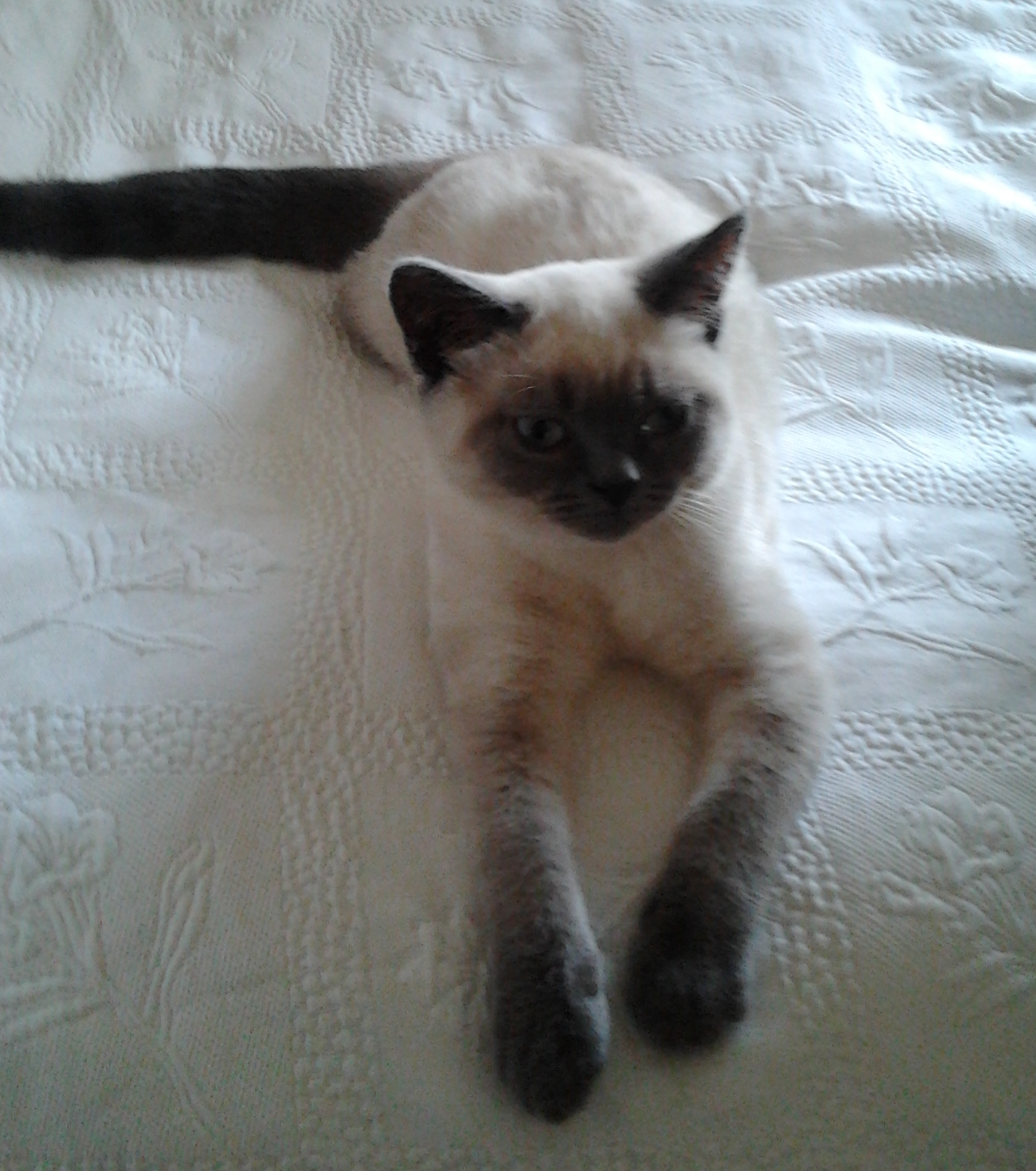
2 - Do not make any sudden unnecessary changes to your kitten diet as it could cause problems such as digestive disorders.
3 - Do not give your cat or kitten milk - it will give them the runs.
4 - Do not punish a new kitten for an 'accident'. This only increases the youngster's anxiety and the likelihood of it happening again.
5 - Do not put the kitten's litter tray near its food or in a busy area. Choose a permanent quiet area away from noise.
6 - Do not expose your cat to the following: Lilies, (exposure can cause fatal kidney damage), grapes and raisins (can cause kidney damage), onions, tomatoes and mushrooms (can also cause problems), raw fish (too much raw fish can cause health problems), liver (too much liver can overload the their system with vitamin A and cause bone problems).
7 - Do not leave plastic bags, foam, open dustbin, iron or any dangerous objects around.
8 - Do not give table scraps during your meal or the kitten will get used to begging and stealing from the table.
9 - Do not adopt a kitten under 2 months. They will be more fragile and difficult to educate.
10 - Do not use human shampoo when washing your kitten - it may be toxic for them.
Saturday, 13 July 2013
British Shorthair - 10 Things You Should Do

2 - Get some toys to keep your kitten amused and fit.
3 - If something is worrying you, contact your vet.
4 - Make sure your kitten is introduced to human interaction as early as possible.
5 - Do get a scratching post.
6 - Combine wet and dry food and ample supply of water.
7 - If you have other animals remember introductions should be made slowly. You can also wipe the kitten's cheek or forehead with a cloth and rub their facial secretions along the bottom of the walls in other rooms so that other animals become used to their smell.
8 - Watch out for household dangers such as, electric wires, electric sockets, cleanig products, pesticides, small objects such as pins and elastic bands, poisonous flowers such as lilies, holly, sweet peas, ivy, wisteria, mistletoe, azalea...
9 - Place suitable covers on electric hot plates or stove.
10 - Get your kitten its own sleeping basket.
Sunday, 7 July 2013
The Colourpointed
